
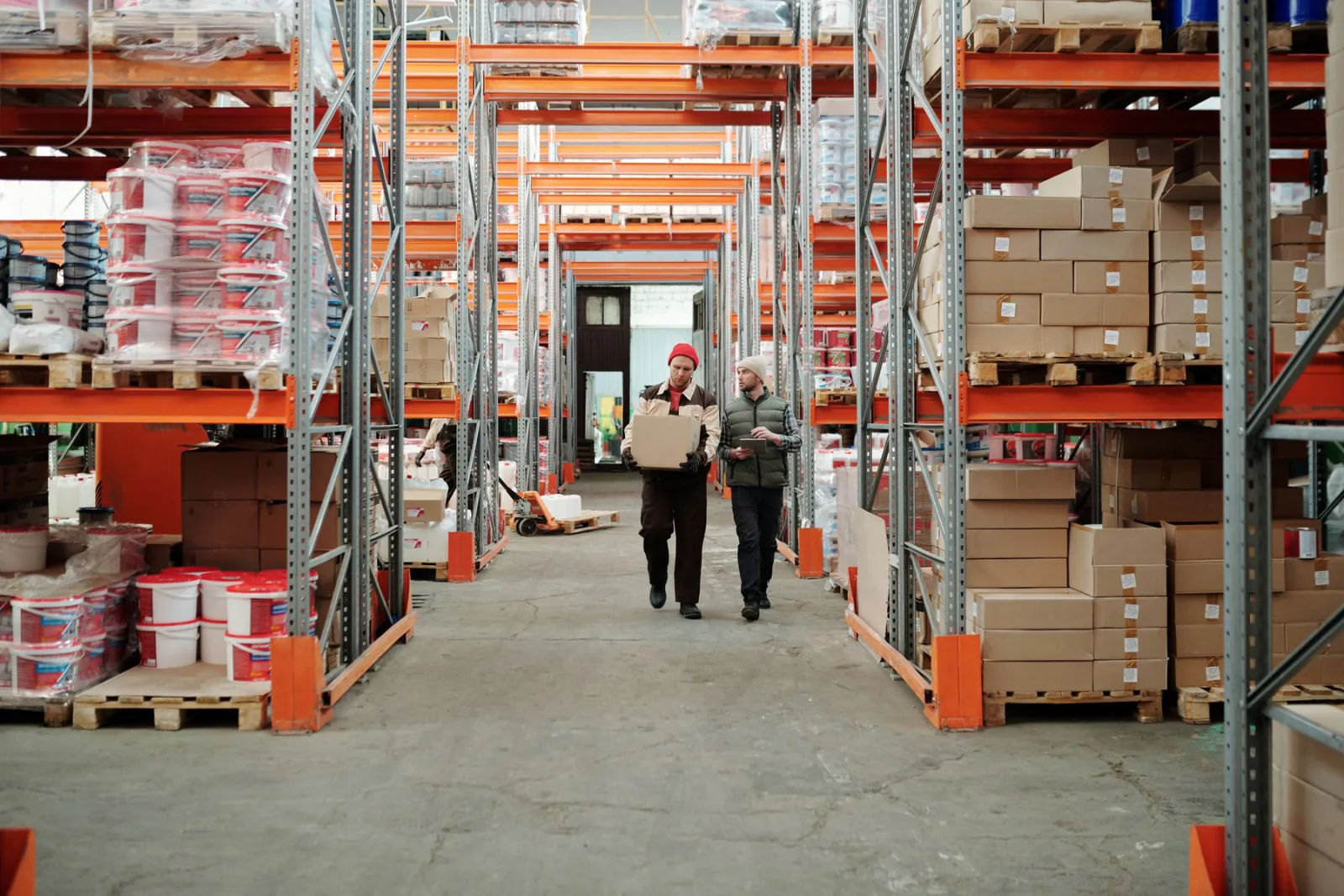
Quick answer: short-term storage helps when your new home is delayed, your possessions arrive before possession, or an office fit-out is not ready. Charges usually depend on volume, duration, handling and whether you need access. Confirm security, insurance, access rules and the exact start and end dates before loading.
When storage makes sense
- Your new home is not ready but your old lease ends.
- You are moving to a city before your family joins you.
- An office or shop fit-out is running behind schedule.
- You need to stage a move over several weeks.
- You are downsizing and need time to decide what to keep.
When storage is avoidable
If your dates already align, direct delivery is simpler and cheaper. Storage adds handling, inventory and access steps. If you only need one or two days of overlap, ask whether the truck can wait or whether a short hold can be arranged instead of a full warehouse booking.
How storage charges are calculated
Most warehouses price by volume or pallet space, per week or per month, plus inward and outward handling. Some charge a minimum period. Access during storage may be free during working hours or charged per visit. Climate-sensitive items, high-value goods or long-term storage may carry additional terms. Ask for a written breakdown rather than a single monthly number.
Questions to ask before booking
Is the warehouse secure and monitored?
Ask about access control, CCTV, staff presence and fire safety. Visit the facility if you are storing high-value or irreplaceable items.
Is my goods insurance covered?
Storage may require separate transit or storage protection. Understand what is covered, the excess and the claim process. Do not assume the mover's standard liability covers full value.
Can I access my goods?
If you may need documents, seasonal clothing or equipment, confirm access hours, notice period and any fee. Goods stored deep in a warehouse may not be immediately retrievable.
What is the minimum duration and notice period?
Ask when billing starts, when it ends and how much notice you must give before removing your goods.
Packing for storage
Use sturdy cartons, label every box by room and contents, and keep an inventory list. Wrap furniture and mattresses against dust. Do not store food, liquids, plants, flammable items or anything that can rot or attract pests. Keep documents, jewellery and medicines with you. Photograph the loaded storage unit or pallet if access is allowed.
Cost expectations
Storage is usually a smaller line item than transport for short durations, but it grows with time and volume. A small household in a shared warehouse space may cost less per month than a dedicated secure room. Ask for a total delivered-cost comparison: direct delivery versus storage plus redelivery, including handling and access fees.
Found this useful? Share it with someone planning a move.

Written by
Relocation Research Team
Our research team tracks road distances, access conditions and cost factors across the Bihar and Jharkhand service network. Guides are written to explain how quotes are built, not to promise a fixed price.