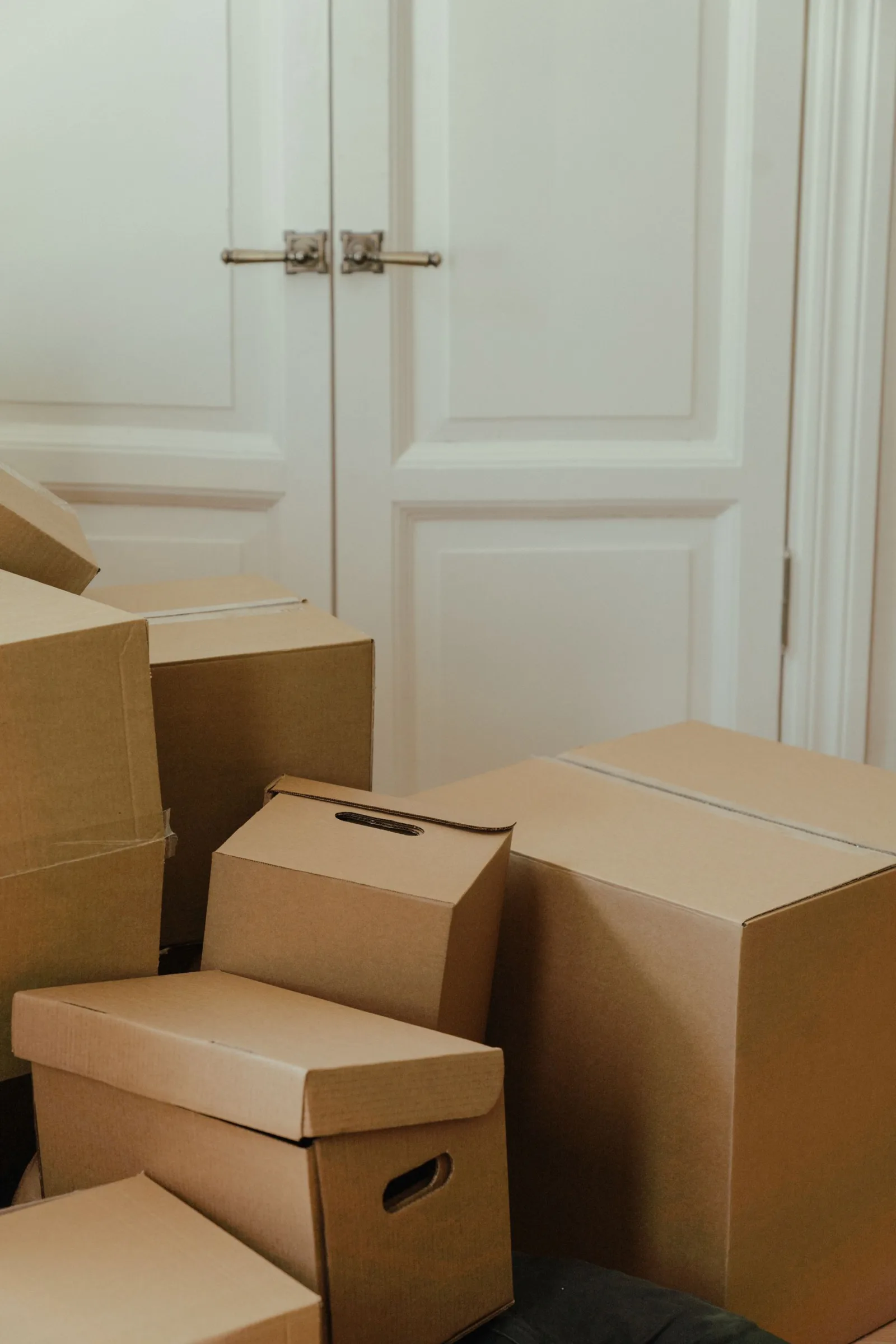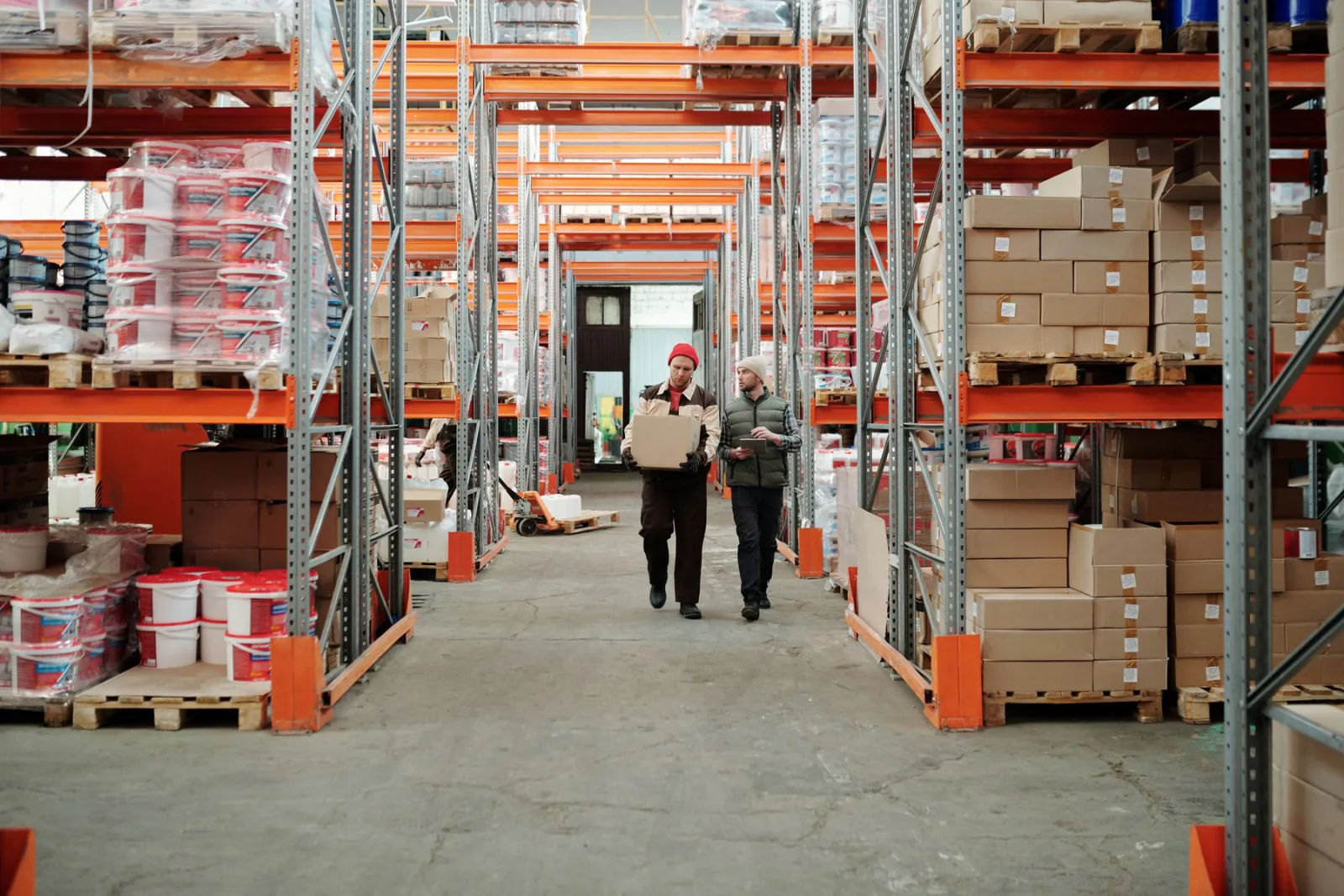
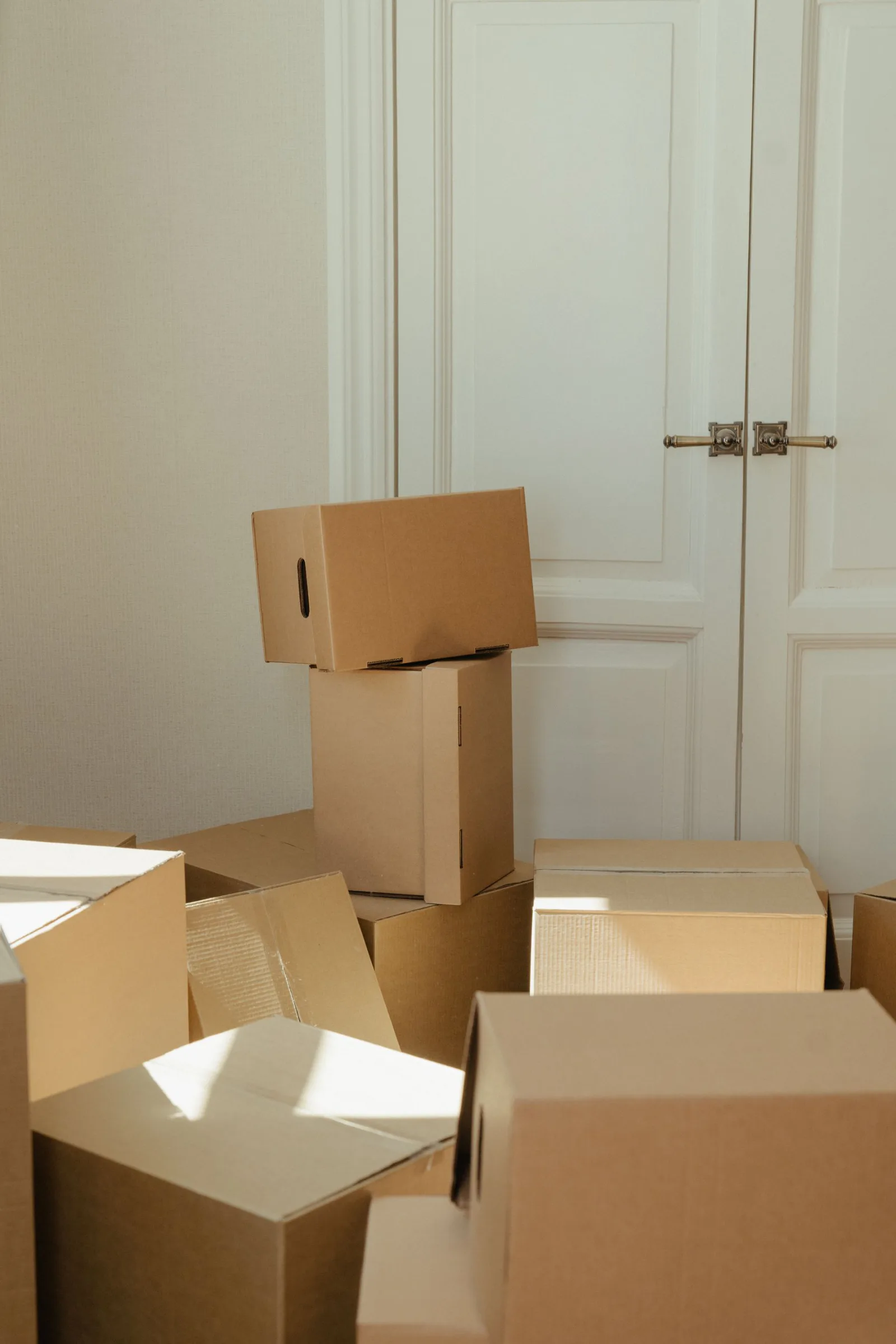
Quick answer: wrap each fragile item individually, cushion the bottom and sides of the carton, keep heavy items low, fill empty spaces so nothing shifts, and label the box “Fragile — this side up”. Never let glass touch glass, and never overfill a carton until it bulges.
The four-layer rule
Professional packing uses layers for different jobs: a soft inner wrap protects the surface, a rigid layer spreads impact, a cushion absorbs vibration, and a strong outer carton keeps the load stable. Skipping a layer to save time usually shows up as a cracked rim or a scratched screen at delivery.
Kitchen and crockery
- Wrap plates individually and stack them upright, not flat, with padding between each plate.
- Bundle glasses in pairs or small groups with paper between them, then wrap the bundle.
- Place heavy items at the bottom of the carton and lighter items above.
- Fill gaps with crushed paper or bubble wrap so nothing moves when the box is shaken gently.
- Label “Fragile” and mark the top side. Do not stack heavy cartons on top.
Mirrors, frames and glass tops
Remove frames from walls, tape an X across glass to reduce shattering, wrap in bubble wrap, then sandwich between two rigid boards. For large mirrors or glass table tops, ask the crew to pack them upright in a custom edge-protected sleeve. Do not lay a large mirror flat under other boxes.
Electronics and screens
Back up data before packing. Photograph cable connections, then disconnect and bag each cable with a label. Use anti-static wrap for internal components and original boxes where available. For TVs and monitors, use a rigid screen protector or cardboard sheet, then bubble wrap and a snug carton. Keep remotes and stands in a labelled bag taped to the box.
Furniture edges and surfaces
Dismantle beds, wardrobes and dining tables where possible. Bag and tape hardware to the matching panel. Wrap corners with foam or corrugated sheets, then cover surfaces with furniture pads or stretch film. Glass shelves should be removed, wrapped separately and marked. Do not drag furniture across floors; use runners or ask for help.
Art, decor and odd-shaped items
Odd shapes need custom support. Use a rigid box or build a cardboard shell, fill voids with paper, and avoid pressure on protruding parts. For very high-value art, use a specialist art mover rather than a household crew. Tell the survey team about the item and its approximate value so handling can be planned.
What not to pack in the moving truck
- Cash, jewellery, original documents and passports.
- Opened liquids, perishable food and flammable chemicals.
- Medicines needed during the move.
- Plants that cannot survive a long transit without care.
- Anything prohibited by the carrier or unsafe to stack.
Final check before sealing
Shake the carton gently. If you feel movement, add cushioning. Check that the weight is manageable for one or two people. Write the room and a short contents note on each box. A clear label saves hours at delivery and reduces the chance of a fragile box being placed at the bottom of a stack.
Found this useful? Share it with someone planning a move.

Written by
Shri Shyam Editorial Desk
The editorial team at Shri Shyam Packers & Movers turns survey checklists, route notes and the questions our moving desks hear every week into practical guides for families and businesses in Bihar and Jharkhand. Content is reviewed for accuracy before publishing.