Quick answer: bike transport is usually arranged as a shared load inside a moving truck or on a dedicated two-wheeler carrier. Drain or lower fuel as advised, remove personal items, record existing damage, keep the RC and insurance ready, and inspect the bike before signing delivery.
Shared truck or dedicated carrier?
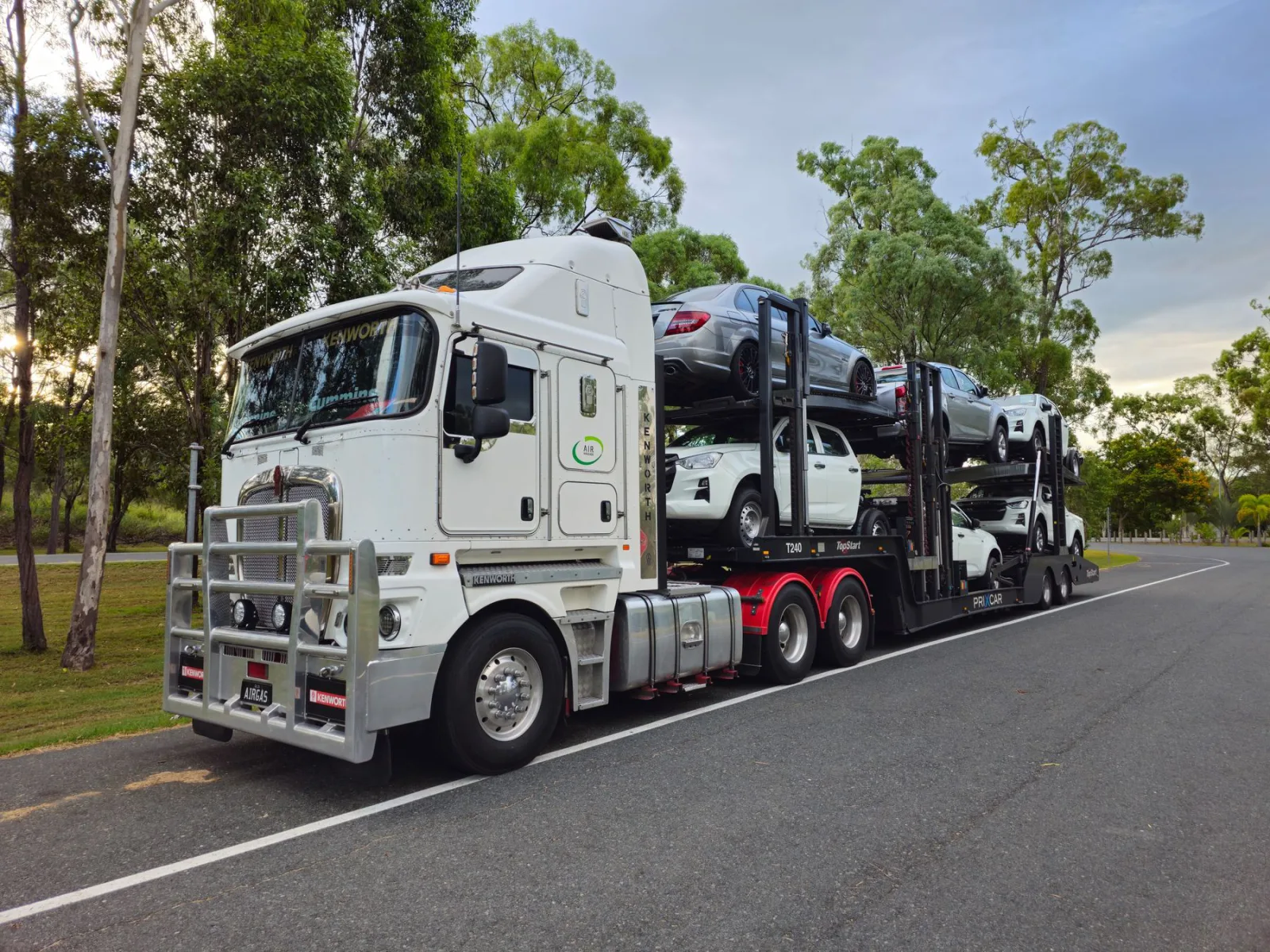
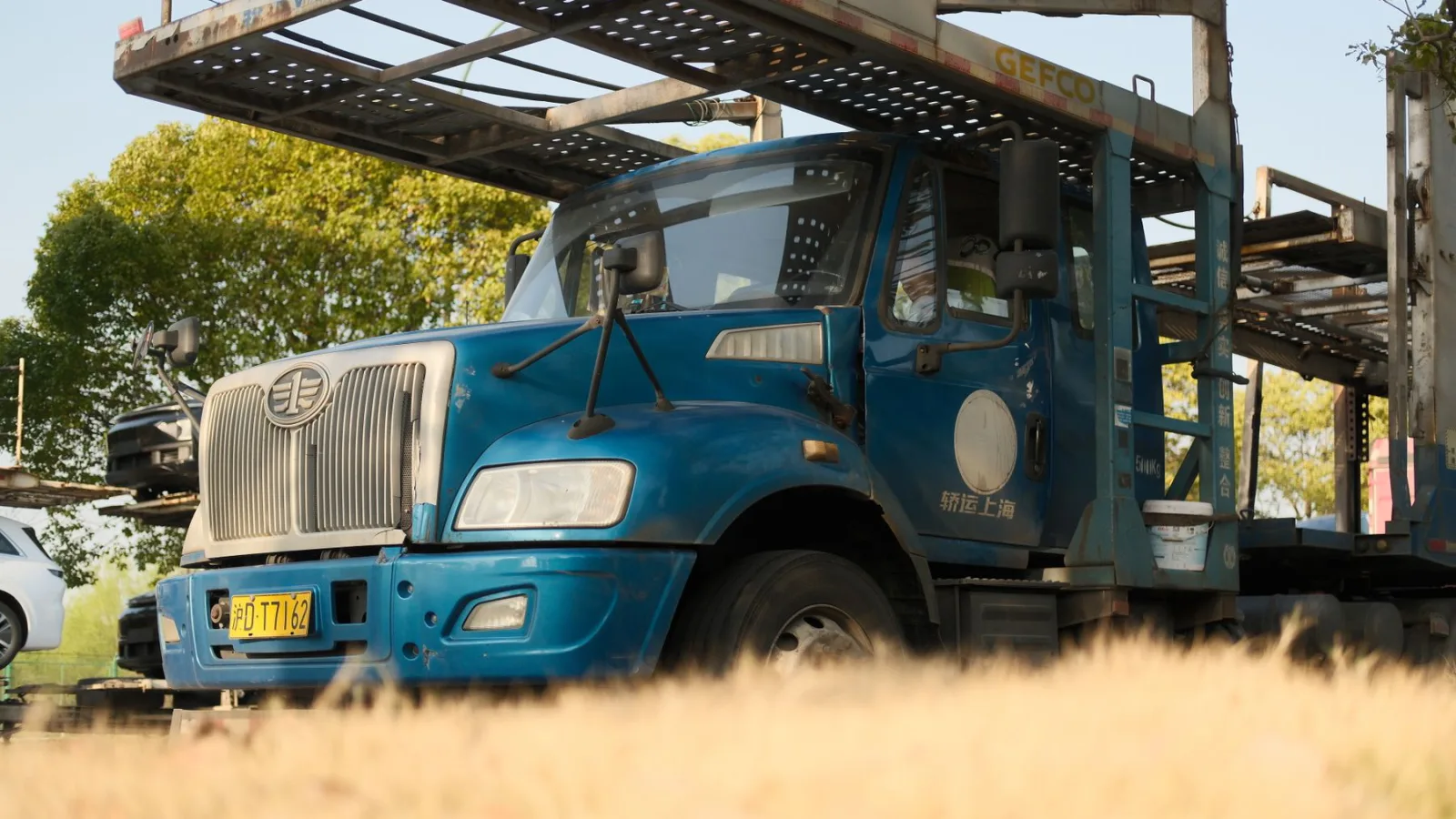
For a single bike moving along with household goods, the cheapest option is often to include it in the same truck, properly wrapped and secured. For a stand-alone bike move, a shared two-wheeler carrier may be available. A dedicated carrier gives you a fixed schedule and less handling, but costs more. Ask what type of support and strapping will be used; a bike should never be left leaning on another vehicle.
Documents to keep ready
- Registration certificate (RC) and valid insurance.
- Pollution certificate if current.
- Government ID of the person handing over the bike.
- Booking confirmation with pickup, delivery and contact details.
- Photos of both sides, the odometer and existing scratches or dents.
Indicative costs
Short intercity moves within Jharkhand may fall around ₹2,500–₹5,000 for a standard bike, while longer routes such as Ranchi to Delhi can range higher, commonly ₹6,000–₹10,000 depending on carrier type and season. Premium bikes and door-to-door handling cost more. These are indicative ranges; confirm the carrier and route before booking.
Preparing the bike
- Remove helmets, phone mounts, bags and loose accessories.
- Lower the fuel level as advised by the operator; fuel is a fire risk in transit.
- Check tyre pressure and note any existing mechanical issues.
- Photograph the bike in daylight, including the odometer and any damage.
- Keep the spare key with you, not in the bike's storage compartment.
Packing and securing
A professional crew wraps the tank, fairing, mirrors and exhaust, then secures the bike upright with soft straps. Handlebar and mirror contact points need padding. If the bike is transported inside a household truck, it should be separated from heavy furniture by a barrier or sufficient padding. Ask the crew to photograph the secured bike before the truck is sealed.
At delivery
Inspect the bike before signing. Check the fuel level, odometer, mirrors, levers and visible body panels. Start the bike if possible and test the brakes and lights. Report any new damage immediately and photograph it with the delivery sheet in the frame. Keep a copy of the condition report.
Monsoon and long-distance notes
Water exposure can affect electricals and chain condition. If the bike travels in an open carrier during the monsoon, expect road spray and a post-delivery wash. For long routes, ask about the number of handling points and expected transit days. A direct dedicated carrier reduces handling but may not be available for every route.
Found this useful? Share it with someone planning a move.

Written by
Relocation Research Team
Our research team tracks road distances, access conditions and cost factors across the Bihar and Jharkhand service network. Guides are written to explain how quotes are built, not to promise a fixed price.